/-/https/www.sciencebuddies.org/cdn/Files/21464/5/sb-logo.png)
/-/https/www.sciencebuddies.org/cdn/Files/21464/5/sb-logo.png)
Looking Up--Astronomy for K-5
A headline today from New Scientist asks what the sun will look like as a planetary nebula when it begins to die--in about 5 billion years.
Questions that involve billions of years from now can be mind-boggling, but considering what happens in the span of a few hours or through the course of a night is something students of all ages can tackle.
When younger children look up at the sky, both shifts in the appearance of the moon as well as differences in what and how many stars are visible at any given time are opportunities for discussion and a bit of scientific fact that can seem amazing to the youngest of astronomers.
Here are a few Science Buddies science fair project ideas which can help bring the night skies into sharper focus:
- Where Did All the Stars Go?
[http://www.sciencebuddies.org/science-fair-projects/project_ideas/Astro_p012.shtml]
Science Buddies difficulty level 1 - The Moon and the Stars
[http://www.sciencebuddies.org/science-fair-projects/project_ideas/Astro_p014.shtml ]
Science Buddies difficulty level 2 - Measuring the Moon
[http://www.sciencebuddies.org/science-fair-projects/project_ideas/Astro_p013.shtml]
Science Buddies difficulty level 3 - The Milky Way and Beyond: Globular Clusters
[http://www.sciencebuddies.org/science-fair-projects/project_ideas/Astro_p016.shtml]
Science Buddies difficulty level 6
Categories:
You Might Also Enjoy These Related Posts:
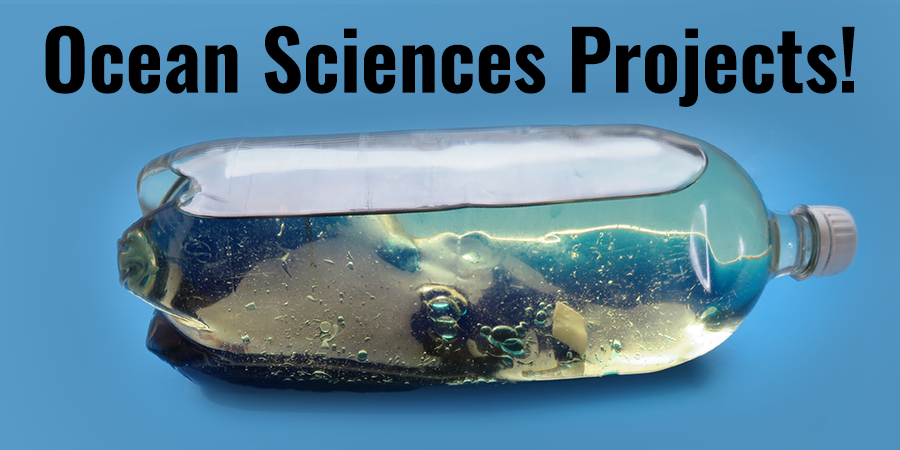
- Ocean Science Projects, Lessons, and Experiments
- Women in STEM! More than 60 Scientists and Engineers for Women's History Month
- Black History Month STEM - Learn More About These 40 Scientists for Black History Month!
- 10 Reasons to Do the Ball Run Engineering Challenge
- 40 New and Cutting-Edge Science and Engineering Projects in 2025
- 25+ Coding Projects for Beginners and Beyond - CSEdWeek Resources
- 2025 Nobel Science Connections and Projects for K-12 Students
- Chemical Reactions and Spice - STEM Projects for National Chemistry Week 2025
/-/https/img.youtube.com/vi/OKJmI8Ap5L8/0.jpg)
/-/https/img.youtube.com/vi/SpP5A1OxZnQ/0.jpg)
/-/https/img.youtube.com/vi/q0T5Ytp1xik/0.jpg)