

Environmental Science Science Projects (57 results)
As humans we are part of the environment. With over 7.5 billion of us on Earth, our combined actions also have a big impact on the environment. As long as we are aware of the impact, we can do things as individuals, and working together as groups, to lessen the detrimental impact of billions of people. Explore important topics like air quality, water quality, the effects of climate change, and many others to make informed decisions about caring for our planet.
|
Select a resource
Sort by
|
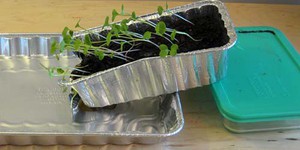
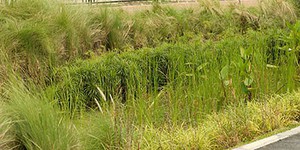
Soil erosion can cost the world billions of dollars every year by washing pollutants into our streams and rivers and by causing the loss of farmland. What can you do about this problem? Help save the world (and some money!) with nothing more than a few plants!
Read more
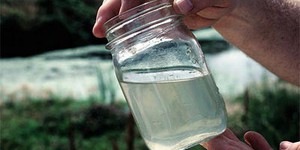
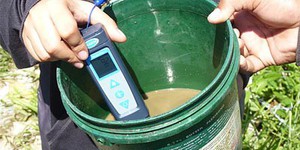
It is important to ensure that we all have good clean water to drink that is not contaminated by heavy metals or chemicals. One common pollutant in a water supply is lead in old pipes or paints that can leach into the water and cause lead poisoning. There are different kits available for testing the presence of lead and other contaminants in water. Test your water supply, and also the water in some local ponds, lakes or streams. The same contaminants that can harm you can also harm wildlife. …
Read more
New
Have you ever noticed that on a hot day, it's more comfortable to wear a light-colored shirt than a dark one? Or that it's cooler in a park than walking down a street? This happens because different surfaces absorb and reflect heat in different ways. Urban heat islands are parts of cities where man-made surfaces like pavement and buildings replace natural surfaces like grass and trees. In this project, you will use temperature and satellite data to see if certain areas in a city have higher…
Read more
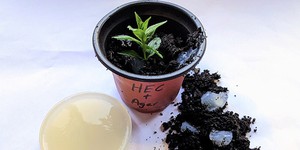
Growing crops takes a huge amount of water. That same water is also needed for drinking, bathing, and other industries. In dry climates or lands experiencing drought, there is a big push to conserve (save) water as much as possible. In this project you will experiment with creating environmentally friendly jelly-like materials called hydrogels and see if they can help soil retain water thus reducing the amount of water needed to grow crops.
Read more
What does the phrase, "Like a breath of fresh air," mean to you? This common phrase can have different meanings: calming, relaxing, invigorating, energizing or CLEAN! After all, you never hear anyone say, "Like a breath of dirty air," do you? Find out how clean the air is in this simple experiment.
Read more
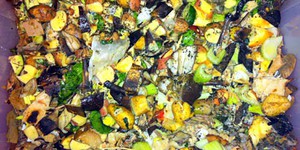
Have you ever seen a product labeled "biodegradable" or "compostable" and wondered just how well it decomposes? A lot of different products claim to be biodegradable or compostable, such as food containers, bags, packaging materials, and spoons and forks. Not only do they clearly come in different shapes and sizes, but they are made of different materials as well. Do they decompose differently, and, if so, which decomposes the fastest? In this science project, you will make your own indoor…
Read more
New
Remembering to take medicine at the right time can be hard, especially if you need to take multiple medications at different times of day. It might not be a big deal if you forget to take your daily multivitamin, but for some people, forgetting to take medication at the right time can be dangerous. What if you had a device that could not only set off an alarm at the right time, but also automatically dispense the right pills for you? In this project, you will build an automatic medicine…
Read more
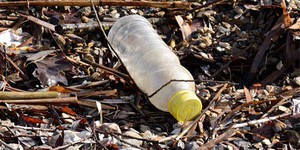
Even though many cities have recycling programs, a lot of trash still ends up in the dump. Find out which materials will break down and which materials won't. Will the results of this experiment change which products you often buy?
Read more
Did you know that soils can be alkaline, neutral, or acidic? Most plants grow best in soil near neutral pH, but some plants prefer slightly acidic and others slightly alkaline soil. What is the pH of the soil in your garden? What happens to the pH of water that comes in contact with soil? In this science project you will get to find out.
Read more
What looks pretty, stops flooding, and helps fight pollution? A rain garden! Find out how by building and testing your own miniature rain garden in a plastic bottle.
Read more
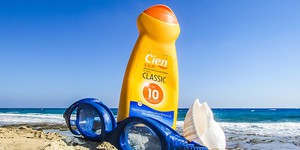
Imagine a wonderful summer day at the beach. You play in the sand, swim in the ocean—and, of course, put a lot of sunscreen on. The sunscreen protects your skin from harmful ultraviolet (UV) radiation. Special ingredients absorb or reflect the UV rays so they do not harm your skin. Different types of sunscreen have different types of ingredients, and some of them can be harmful to the environment—especially if they get into the ocean. In this science project you will put your…
Read more
Chemicals from Earth's atmosphere are making their way down to the planet! Not in spaceships, but in rain. The acid rain can infiltrate ground water, lakes, and streams. How does acid rain affect aquatic ecosystems?
Read more
|




Explore Our Science Videos
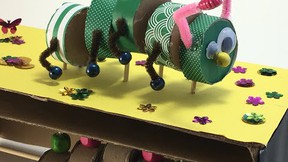
Make Cardboard Automata

DIY Mini LED Lightsaber
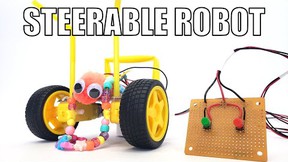
Build a Simple Steerable Robot