Summary
Source: O*Net |
| |||||||||||||||||||||||||||||||||||||||||||||||
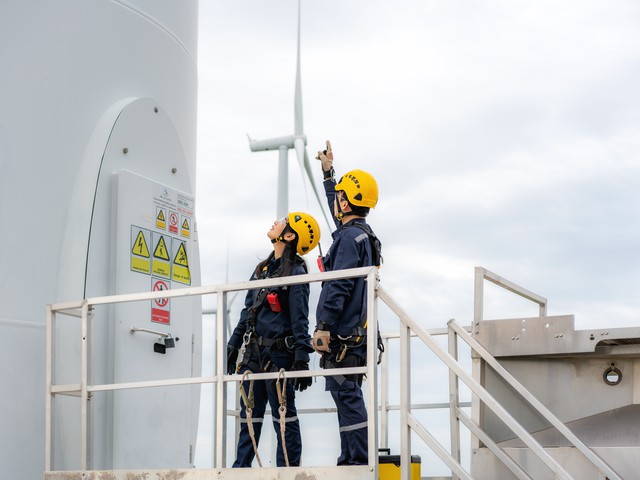
Wind is a renewable energy resource. Wind turbines convert the energy from the wind into mechanical or electrical energy. The electrical energy that is generated from the wind turbines can be used to power homes and businesses or sold to utility companies. Wind turbine service technicians inspect, diagnose, adjust, or repair the external and internal components of wind turbines. They perform regular service and maintenance on the equipment, including oil changes and gearbox lubrication. Wind turbine service technicians adjust electrical or electronic equipment and repair any non-working mechanical devices. They also help with the construction and installation of wind turbines. Wind turbine service technicians should be able to understand manuals, blueprints, schematics, and diagrams so that they can troubleshoot any electrical, mechanical, or hydraulic malfunctions. They document all work performed on computer-based reporting programs and maintain a detailed parts list.
Wind turbine service technicians use a variety of tools, including computers, cordless drills, grease guns, harnesses, hammers, multimeter testing kits, torque wrenches, welding equipment, and wire cutters.
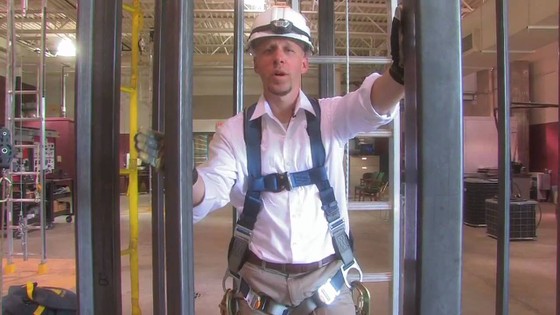
![]() This video, narrated by Jeremiah Dye, a wind turbine service technician instructor, shows a typical workday of a wind turbine service technician. Watch it to see the things these technicians do to keep wind turbines operating. |
Wind turbine service technicians work in a variety of settings, such as desert and mountainous regions, as well as manufacturing and power industry facilities. Regardless of the setting, most wind turbine service technicians work outside in all types of weather conditions. Their work consists of climbing wind towers at heights greater than 100 feet, lifting heavy tools and equipment, and working in cramped quarters at the top of towers. Some towers may require that wind turbine service technicians and their equipment be air-lifted by helicopters.
Wind turbine service technicians must be in good physical condition. They may risk suffering injuries from tools or falls; however, risks are usually minimized by following proper safety procedures. These technicians generally work a standard 40-hour week or a rotation-shift schedule. Wind turbine service technicians may also travel extensively due to a shortage of experienced technicians.
Some employers may require Occupational Safety and Health Administration (OSHA) safety-guidelines training in order for technicians to start working in this field.
While certification is not required to work as a wind turbine service technician, the North American Board of Certified Energy Practitioners (NABCEP) does provide optional certification for small wind energy system installers. Candidates must be at least 18 years of age, meet the prerequisites, such as having installed four wind systems during a four-year period prior to submitting the application, and pass a written exam. Continuing education is required to maintain certification by the NABCEP. Applicants must complete 18 hours of continuing education within three years of their initial certification. The education requirements consist of 12 hours covering the NABCEP task analysis for small wind energy system installers and six hours of small wind energy system installation instruction. In addition, installers must provide evidence of having installed three small wind energy systems during the three-year certification period.
The minimum degree required for an entry-level position in this field is an associate's degree. Entry-level wind turbine service technicians may have attended wind energy programs at community colleges or vocational schools to acquire the technical skills needed for the wind-energy industry. Entry-level wind turbine service technicians generally receive on-the-job training by working with an experienced wind technician. Entrants into this occupation frequently transfer into wind-energy occupations from related construction or mechanical fields.
Return to top of page...Do you have a specific question about a career in Energy & Power that isn't answered on this page? Post your question on Science Buddies Ask an Expert Forum.
We'd like to acknowledge the additional support of:
If this website has helped you, won't you consider a small gift so we may continue developing resources to help teachers and students?