Summary
Source: O*Net |
| |||||||||||||||||||||||||||||||||||||||||||||||||
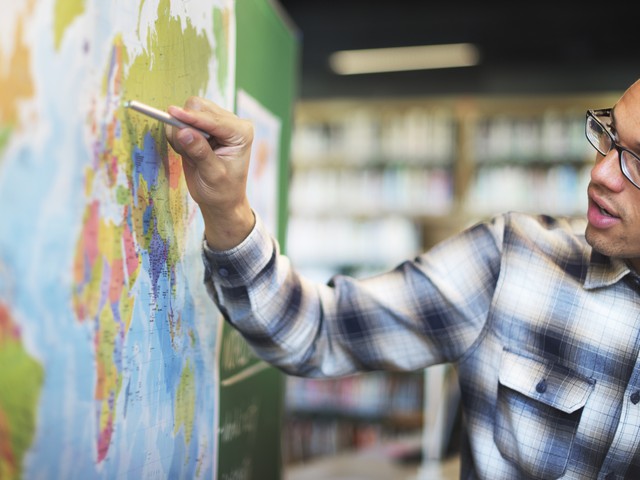
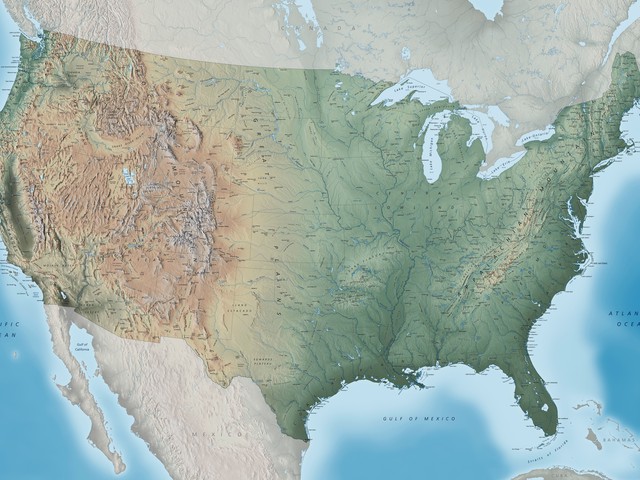
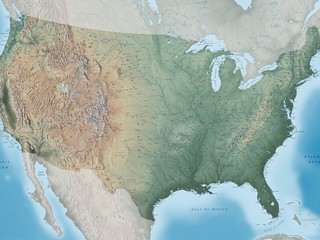
Geographers are social scientists who study countries, regions, and cities through their economy, social conditions, climate, and topography. Geographers use their findings to solve problems in urban and regional planning, business, and agriculture. While many geographers are involved in environmental planning, most teach and do research in colleges and universities. Geographers also teach in high schools or work for federal and state agencies, private companies, or as self-employed consultants.
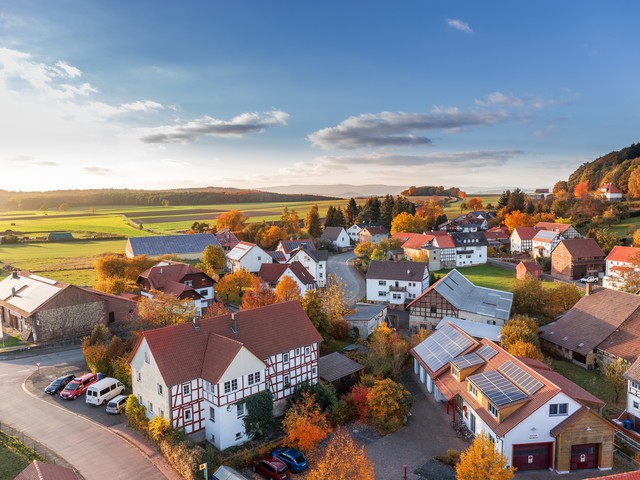
Geographers analyze distributions of physical and cultural phenomena on local, regional, continental, and global scales. Most geographers specialize in a particular aspect or method of geographic study. Economic geographers study the distribution of resources and economic activities. Political geographers are concerned with the relationship of geography to political phenomena, and cultural geographers study the geography of cultural phenomena. Physical geographers examine variations in climate, vegetation, soil, and landforms and their implications for human activity. Urban and transportation geographers study cities and metropolitan areas. Climatologists study weather patterns. Regional geographers or area specialists do research on a particular geographic region, ranging in size from a congressional district to entire continents. They use research methods from many aspects of geography to study all facets of an area, including its climate, economy, physical features, and culture. Medical geographers investigate health-care delivery systems, epidemiology (the study of the causes and control of epidemics), and the effect of the environment on health. Cartographers collect information and develop maps from aerial photographs, surveys, and other sources. They usually work for companies that publish maps and for the defense and intelligence departments of the government. Geographical information systems specialists use computer-aided technology to compile and analyze large amounts of data for environmental planning and natural resource management.
Most geographers use GIS technology to assist with their work. For example, they may use GIS to create computerized maps that can track information such as population growth, traffic patterns, environmental hazards, natural resources, and weather patterns, after which they use the information to advise governments on the development of houses, roads, or landfills.
In business, geographers help decide where to locate production facilities, find markets for goods and services, and do market analysis. Their advice is valued because they are trained to study physical features, such as natural resources, in tandem with cultural conditions, such as the availability of labor and transportation.
![]() Watch this video to see how geographer Jack Williams predicts that by the year 2100, many of today's familiar climates will be replaced by climates unknown in today's world. |
Geographers who teach work eight or ten months per year. However, college-level teachers may spend their summers working on research projects. Area specialists may travel to remote parts of the world. Graduate students often help professors with their research.
Geographers in government and business work in clean, comfortable offices. Those in top positions must often travel to attend meetings and to gather information for research.
To obtain a job as a geographer, students must have a college education.
Federal jobs require a bachelor's degree, but graduate study or experience is an advantage. Requirements for high school geography teachers vary by state. Be sure to check the certification requirements by state. Candidates interested in teaching positions in two-year colleges and specialized and managerial posts in government and private industry must obtain a master's degree. Top positions in government and industry go to those who have a doctoral degree. A doctoral degree is also generally required for teaching positions in four-year colleges and universities.
Cartographers must have a bachelor's degree in geography with course work in drawing, design, and mathematics. Some colleges offer special courses in cartography, and nearly all cartographers expand their skills on the job. Specialists in Geographical Information Systems (GIS) need a college degree in geography or engineering and familiarity with computers. Many colleges offer courses in GIS systems and methods.
Return to top of page...Geographers, like other social scientists, need excellent written and oral communication skills to report research findings and to collaborate on research. Successful geographers also need intellectual curiosity and creativity because they constantly seek new information about people, things, and ideas. The ability to think logically and methodically is also essential to analyze complicated issues, such as the relative merits of various forms of government. Objectivity, an open mind, and systematic work habits are important in all kinds of social science research. Perseverance, too, is often necessary.
Return to top of page...Source: BLS
Do you have a specific question about a career in Geology that isn't answered on this page? Post your question on Science Buddies Ask an Expert Forum.
We'd like to acknowledge the additional support of:
If this website has helped you, won't you consider a small gift so we may continue developing resources to help teachers and students?