

Animal Breeder
Overview and Key Facts

Education
High school diploma or equivalent

Median Pay
$40,090

Job Growth
4.30%
(US Average)

Jobs in 2031
7,600
What Do They Do?
An animal breeder could...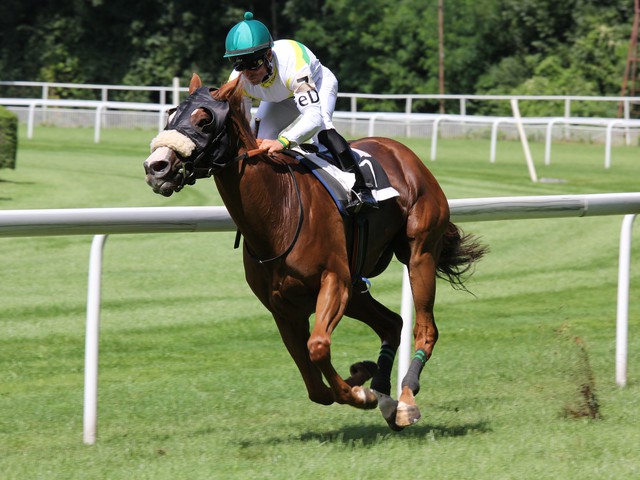
Breed a Kentucky Derby winning thoroughbred horse.

Keep animal pedigrees to determine how traits, like coat color, are inherited.
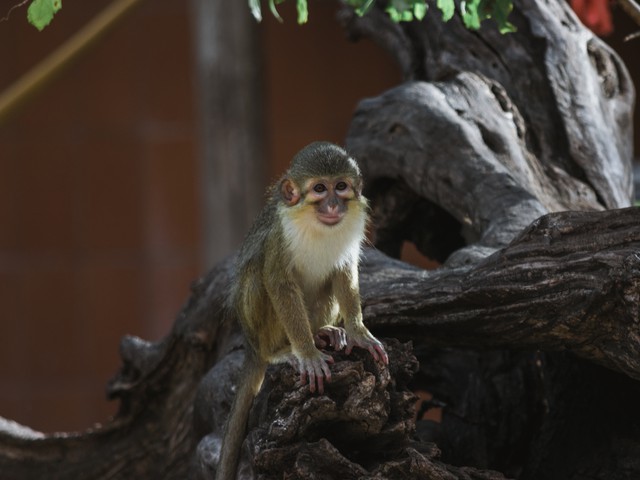
Work with wildlife conservationists to breed endangered animals in captivity.
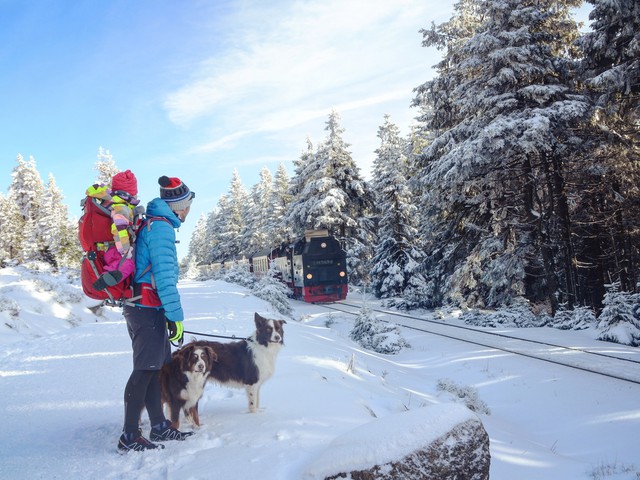
Help a family settle on an ideal breed of dog for their lifestyle.



Overview Listen to this section
Why is it that certain breeds of cattle produce more flesh or milk? Why is one horse faster than another? The answer is that these breeds were engineered to have these special characteristics. Animal breeders need to understand genetics in order to produce animals that are bigger, faster, or more beautiful. If you are interested in working with animals and are fascinated by the science of genetics, then you should investigate this career.
This video details the roles and responsibilities of animal breeding. Animal breeding encompasses breeding both large farm animals and pet animals.
Do You Have the Skills and Characteristics of an Animal Breeder?

- Critical Thinking ?
- Judgment and Decision Making ?
- Active Listening ?
- Complex Problem Solving ?
- Monitoring ?
Core Tasks
Think about if you'd like the typical tasks an Animal Breeder might do:Please create a free account to view this career and access our full library of over 160 STEM careers.
With a free account you will have access to our full library of over 160 STEM careers. Each career profile includes detailed information to help you learn about a career and the requirements to get there. You can explore:
- salary information by state
- recommended high school coursework
- fun projects and activities to test out a career
- videos and interviews with professionals in the field
- details on what a day on the job is like