Health Educator
Key Facts & Information
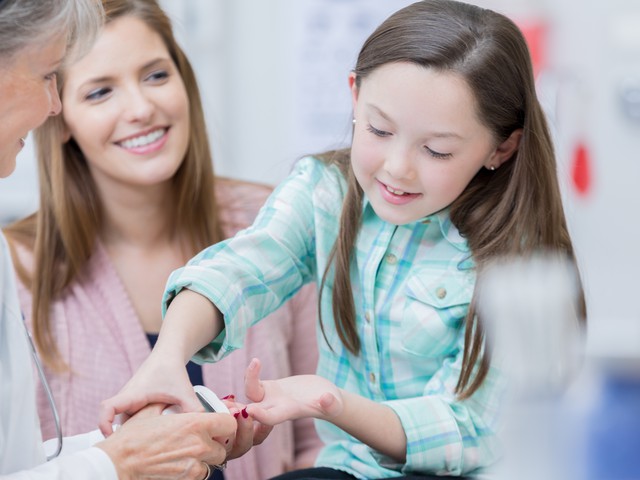
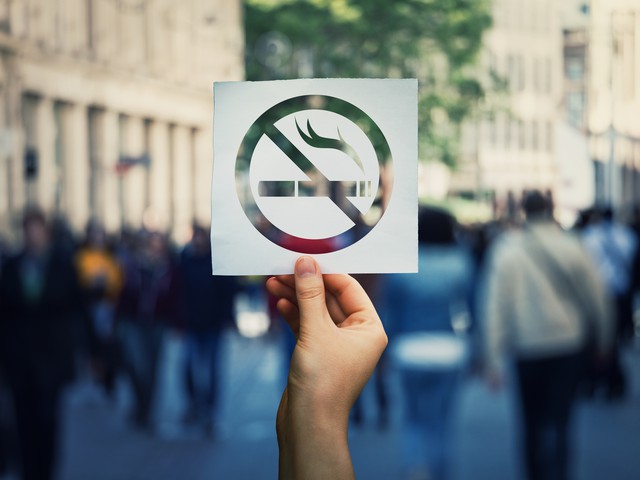
| Overview | Have you ever heard the expression "Prevention is the best medicine"? Prevention is the fundamental work of all health educators. They attempt to prevent illnesses or diseases in individuals or entire communities through education about nutrition, exercise, or other habits and behaviors. Health educators present scientific information in ways that their audience can relate to, and are sensitive to cultural differences. They are the cornerstone of the public health system, improving health and saving thousands of lives by motivating changes in behavior. | |
| Key Requirements | Ability to explain scientific ideas in everyday language, outstanding communication skills, is analytical, comfortable speaking to groups or to individuals, and sensitive to cultural differences | |
| Minimum Degree | Bachelor's degree | |
| Subjects to Study in High School | Biology, chemistry, physics, algebra, geometry, algebra II, pre-calculus, English; if available, computer science, physiology, statistics, foreign languages, public speaking | |
| Median Salary |
|
|
| Projected Job Growth (2010-2020) |
Much Faster than Average (21% or more)
In Demand!
|
|
| Interview |
|
|
| Related Occupations |
|
Training, Other Qualifications
A bachelor's degree is generally required for entry-level health educator positions, but some employers prefer a bachelor's degree and some related experience gained through an internship or volunteer work. A master's degree may be required for some positions and is usually required for advancement. In addition, some employers may require candidates to be Certified Health Education Specialists.Education and Training
Entry-level health educator positions generally require a bachelor's degree in health education. Over 250 colleges and universities offer bachelor's programs in health education or a similarly titled major. These programs teach students the theories of health education and develop the skills necessary to implement health education programs. Courses in psychology, human development, and a foreign language are helpful, and experience gained through an internship or other volunteer opportunities can make graduates more appealing to employers.
Graduate health education programs are often offered under titles such as community health education, school health education, or health promotion and lead to a Master of Arts, Master of Science, Master of Education, or a Master of Public Health degree. Many students pursue their master's in health education after majoring or working in another related field, such as nursing or psychology. A master's degree is required for most health educator positions in public health.
Once hired, on-the-job training for health educators varies greatly, depending on the type and size of employer. State and local public health departments and other larger offices may have a formal training program, while smaller health education offices and departments may train new employees through less formal means, such as mentoring or working with more experienced staff. Some employers may require and pay for educators to take continuing education courses to keep their skills up-to-date.
Other Qualifications
Health educators spend much of their time working with people and must be comfortable working with both individuals and large groups. They need to be good communicators and comfortable speaking in public, as they may need to teach classes or give presentations. Health educators often work with a very diverse population, so they must be sensitive to cultural differences and open to working with people of varied backgrounds. Health educators often create new programs or materials so they should be creative and skilled writers.
Nature of the Work

Watch this video to see how a health educator uses everyday objects—like a tennis ball, cold and warm putty, a yo-yo, and an opening and closing fist—to explain how muscles work and how they are arranged in the body.
Health educators work to encourage healthy lifestyles and wellness through educating individuals and communities about behaviors that promote healthy living and prevent diseases and other health problems.
They attempt to prevent illnesses by informing and educating individuals and communities about health-related topics, such as proper nutrition, the importance of exercise, how to avoid sexually transmitted diseases, and the habits and behaviors necessary to avoid illness. They begin by assessing the needs of their audience, which includes determining which topics to cover and how to best present the information. For example, they may hold programs on self-examinations for breast cancer to women who are at higher risk or may teach classes on the effects of binge drinking to college students. Health educators must take the cultural norms of their audience into account. For example, programs targeted at the elderly need to be drastically different from those aimed at a college-aged population.
After assessing their audiences' needs, health educators must decide how to meet those needs. Health educators have a lot of options in putting together programs to that end. They may organize a lecture, class, demonstration or health screening, or create a video, pamphlet or brochure. Often, planning a program requires working with other people in a team or on a committee within the organization that employs them. Also, health educators must plan programs that are consistent with the goals and objectives of their employers. For example, many nonprofit organizations educate the public about just one disease or health issue and, therefore, limit their programs to cover topics related to that disease or issue.
Next, health educators need to implement their proposed plan. This may require finding funding by applying for grants, writing curriculums for classes, or creating written materials that would be made available to the public. Also, programs may require dealing with basic logistics problems, such as finding speakers or locations for the event.
Generally, after a program is presented, health educators evaluate its success. This could include tracking the absentee rate of employees from work and students from school, surveying participants on their opinions about the program, or other methods of collecting evidence that suggests whether the programs were effective. Through evaluation, they can improve plans for the future by learning from mistakes and capitalizing on strengths.
Although programming is a large part of their job, health educators also serve as a resource on health topics. This may include locating services, reference material, and other resources that may be useful to the community they serve, and referring individuals or groups to organizations or medical professionals.
The basic goals and duties of health educators are the same, but their jobs vary greatly depending on the type of organization in which they work. Most health educators work in medical care settings, colleges and universities, schools, public health departments, nonprofit organizations, and private business.
Work Environment
Health educators work in various environments, based on the industry in which they work. In public health, nonprofit organizations, business work sites, colleges and universities, and medical care settings, they primarily work in offices. However, they may spend a lot of time away from the office implementing and attending programs, meeting with community organizers, speaking with patients, or teaching classes. Health educators in schools spend the majority of their day in classrooms.
Health educators generally work 40-hour weeks; however, when programs, events, or meetings are scheduled they may need to work evening or weekends.
On the Job
- Document activities and record information, such as the numbers of applications completed, presentations conducted, and persons assisted.
- Develop and present health education and promotion programs, such as training workshops, conferences, and school or community presentations.
- Develop and maintain cooperative working relationships with agencies and organizations interested in public health care.
- Prepare and distribute health education materials, including reports, bulletins, and visual aids such as films, videotapes, photographs, and posters.
- Develop operational plans and policies necessary to achieve health education objectives and services.
- Collaborate with health specialists and civic groups to determine community health needs and the availability of services and to develop goals for meeting needs.
- Maintain databases, mailing lists, telephone networks, and other information to facilitate the functioning of health education programs.
- Supervise professional and technical staff in implementing health programs, objectives, and goals.
- Design and conduct evaluations and diagnostic studies to assess the quality and performance of health education programs.
- Provide program information to the public by preparing and presenting press releases, conducting media campaigns, or maintaining program-related web sites.
- Develop, prepare, and coordinate grant applications and grant-related activities to obtain funding for health education programs and related work.
- Provide guidance to agencies and organizations on assessment of health education needs and on development and delivery of health education programs.
- Develop and maintain health education libraries to provide resources for staff and community agencies.
- Develop, conduct, or coordinate health needs assessments and other public health surveys.
Source: BLS
Companies That Hire Health Educators
Explore what you might do on the job with one of these projects...
- Calling It Quits: What Is the Most Effective Way to Quit Smoking?
- Heart Health: How Does Heart Rate Change with Exercise?
- Modeling the Human Cardiovascular System: The Factors That Affect Blood Flow Rate
- Save a Life! Teach Hands-OnlyTM CPR
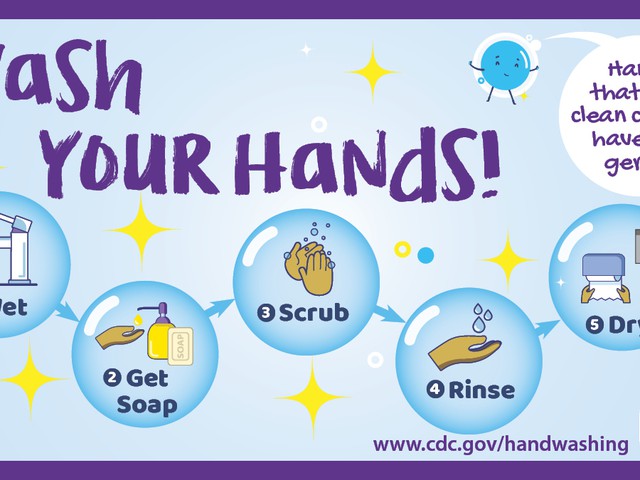
- Spread the Soap, Not the Germs
- Top Crops: Finding Hidden Grasses and Beans in Processed Foods
- You Are What You Eat!
Ask Questions
Do you have a specific question about a career in Human Biology & Health that isn't answered on this page? Post your question on Science Buddies Ask an Expert Forum.
Additional Information
- American Association for Health Education: www.aahperd.org/aahe/
- Society for Public Health Education: www.sophe.org
- The National Commission for Health Education Credentialing, Inc.: www.nchec.org
Sources
- O*Net Online. (2009). National Center for O*Net Development. Retrieved May 1, 2009, from http://online.onetcenter.org/
- Ferrara, M. (2008, November 11). Demonstrating How Muscles Work. Retrieved October 14, 2009, from http://www.youtube.com/watch?v=CpvWTl2EE4o
- National Institutes of Health. (2003, April 30). Meet a Real Health Educator, Frank GrayShield Retrieved October 14, 2009, from http://science.education.nih.gov/LifeWorks.nsf/Interviews/Frank+GrayShield#Q5
- Pfizer. (n.d.) Health Educator. Retrieved October 14, 2009, from http://www.whatispublichealth.org/careers/PfizerGuide/healthed.pdf
- AllHealthCare. (2009). Career Profile: Health Educator - Kate Squire. Retrieved October 14, 2009, from http://allhealthcare.monster.com/training/articles/23-career-profile-health-educator---kate-squire