What do they do?
Mammalian Biology Career Image

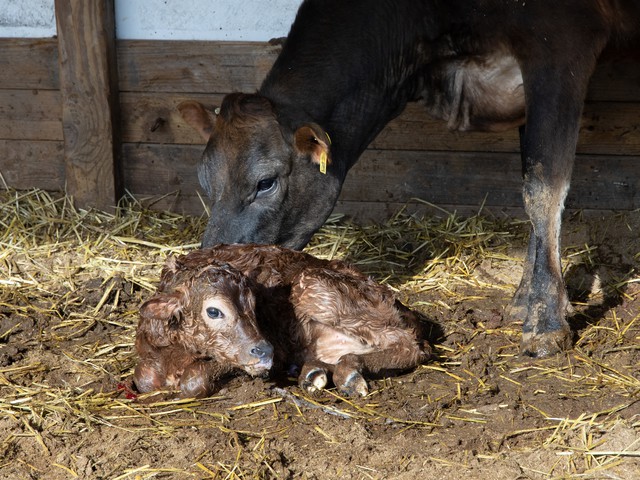
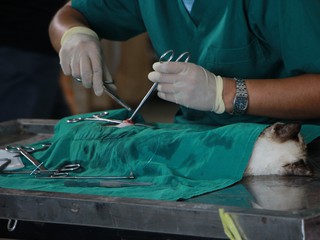
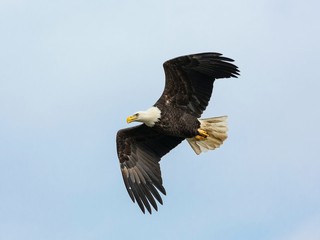
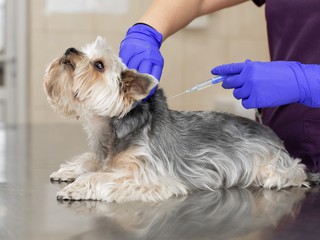
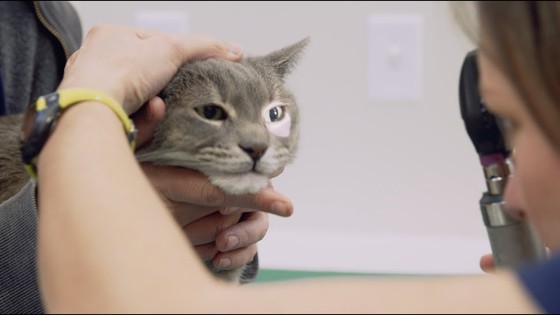
  Mammalian Biology Career Image mother cow licking newborn calf   Mammalian Biology Career Image poodle in a cast   Mammalian Biology Career Image bald eagle being released   Mammalian Biology Career Image cat being vaccinated

A veterinarian could...

  Help a cow deliver a calf if there are complications.   Perform emergency surgery to help a pet after it has been hit by a car.   Nurse injured birds back to health for re-release into the wild.   Give pets their vaccines, like rabies shots, to help keep them healthy.
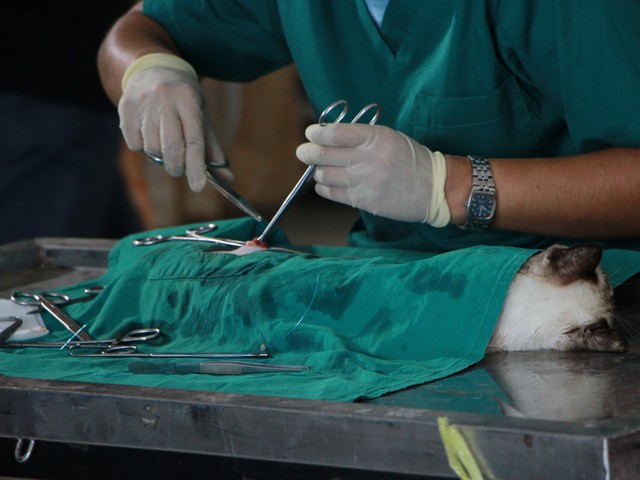
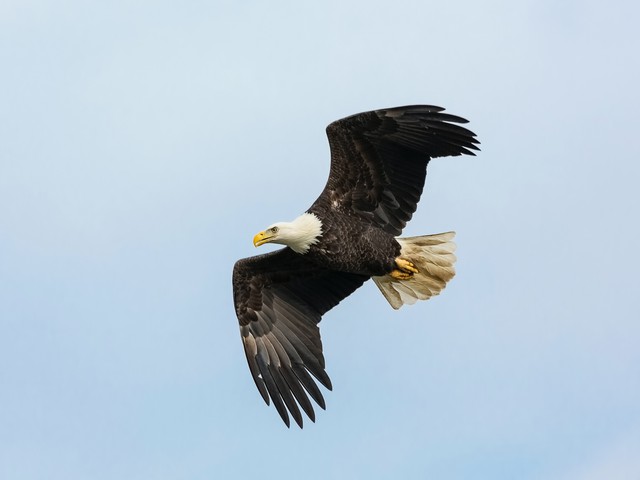
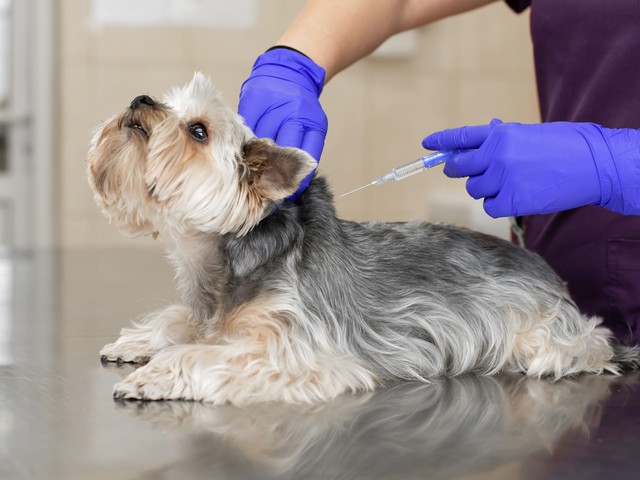
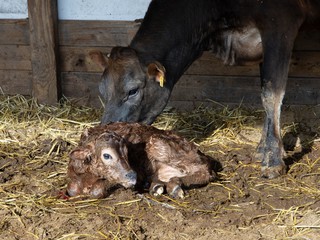
Image Sources: See Image Credits

Summary


Overview Veterinarians help prevent, diagnose and treat health problems in a wide variety of animals. Regardless of whether the animal is a family pet, a prize-winning race horse, a dairy cow, a circus lion, or seal in a zoo, its healthcare depends on veterinarians. Read more...
Key Requirements Patience, attention to detail, good communication skills, and a love of animals Read more...
Minimum Degree Doctorate of Veterinary Medicine (DVM) Read more...
Subjects to Study in High School Biology, chemistry, physics, algebra, geometry, calculus; if available, biotechnology.
Median Salary Bar Graph
Veterinarian
   $79,050
US Mean Annual Wage
   $42,270
Min Wage
   $15,080
$0
$10,000
$20,000
$30,000
$40,000
$50,000
$60,000
$70,000
$80,000
$90,000
Projected Job Growth (2006-2016) Much Faster than Average (21% or more)
Interview Tanya B., veterinarian at the National Institutes of Health
Related Occupations

Source: O*Net

Related Links


Nature of the Work

Veterinarians play a major role in the healthcare of pets and livestock, as well as zoo, sporting, and laboratory animals. Some veterinarians use their skills to protect humans against diseases carried by animals and conduct clinical research on human and animal health problems. Others work in basic research, broadening the scope of fundamental theoretical knowledge, and in applied research, developing new ways to use knowledge.

Most veterinarians perform clinical work in private practices. More than one-half of these veterinarians predominately, or exclusively, treat small animals. Small animal practitioners usually care for companion animals, such as dogs and cats, but also treat birds, reptiles, rabbits, and other animals that can be kept as pets. Some veterinarians work in mixed animal practices where they see pigs, goats, sheep, and some non-domestic animals, in addition to companion animals. Veterinarians in clinical practice diagnose animal health problems; vaccinate against diseases, such as distemper and rabies; medicate animals suffering from infections or illnesses; treat and dress wounds; set fractures; perform surgery; and advise owners about animal feeding, behavior, and breeding.

Ever been kissed by a cow? Veterinarian John Fetrow, also known as Dr. Moo, has! Watch this Real Scientist clip to see what the job of a large animal vet is like.

A small number of private practice veterinarians work exclusively with large animals, focusing mostly on horses or cows but may also care for various kinds of food animals. These veterinarians usually drive to farms or ranches to provide veterinary services for herds or individual animals. Much of this work involves preventive care to maintain the health of the food animals. These veterinarians test for and vaccinate against diseases and consult with farm or ranch owners and managers on animal production, feeding, and housing issues. They also treat and dress wounds, set fractures, and perform surgery, including Cesarean sections, on birthing animals. Veterinarians also euthanize animals, when necessary. Other veterinarians care for zoo, aquarium, or laboratory animals.

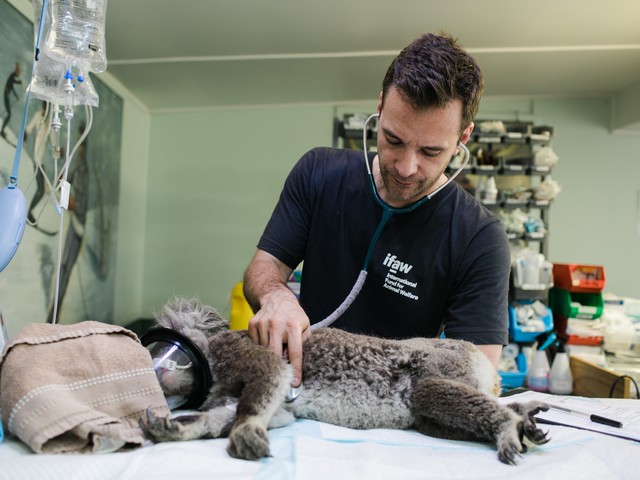
Veterinarians who treat animals use medical equipment, such as stethoscopes, surgical instruments, and diagnostic equipment, including radiographic and ultrasound equipment. Veterinarians working in research use a full range of sophisticated laboratory equipment. Veterinarians can contribute to human as well as to animal health. A number of veterinarians work with physicians and scientists as they research ways to prevent and treat various human health problems.

Return to top of page...

Work Environment

Veterinarians often work long hours. Those in group practices may take turns being on call for evening, night, or weekend work; and solo practitioners can work extended and weekend hours, responding to emergencies or squeezing in unexpected appointments. The work setting often can be noisy.

Veterinarians in large-animal practice also spend time driving between their office and farms or ranches. They work outdoors in all kinds of weather, and may have to treat animals or perform surgery under unsanitary conditions. When working with animals that are frightened or in pain, veterinarians risk being bitten, kicked, or scratched.

Veterinarians working in nonclinical areas, such as public health and research, have working conditions similar to those of other professionals in those lines of work. In these cases, veterinarians enjoy clean, well-lit offices or laboratories and spend much of their time dealing with people rather than animals.

Training, Other Qualifications

A career as a veterinarian requires a bachelor's degree, usually in biology, animal science, chemistry, or some other science field, followed by a four-year Doctorate of Veterinary Medicine (DVM or VDM) degree from an acredited program. In addition, veterinarians must pass a state liscencing exam prior to praciticing.

New graduates with a DVM degree may begin to practice veterinary medicine once they receive their license, but many new graduates choose to enter a 1-year internship. Interns receive a small salary, but often find that their internship experience leads to better paying opportunities later, relative to those of other veterinarians. Veterinarians who then seek board certification must also complete a 3- to 4-year residency program that provides intensive training in one of the 20 American Veterinary Mecial Association (AVMA)-recognized veterinary specialties, including internal medicine, oncology, pathology, dentistry, nutrition, radiology, surgery, dermatology, anesthesiology, neurology, cardiology, ophthalmology, preventive medicine, and exotic small-animal medicine.

Education and Training

In college, students interested in veterinary medicine should emphasize the sciences, making sure to take classes in organic and inorganic chemistry, physics, biochemistry, general biology, animal biology, animal nutrition, genetics, vertebrate embryology, cellular biology, microbiology, zoology, and systemic physiology.

When applying to veterinary degree programs, some schools also require calculus, statistics, college algebra and trigonometry,while others require no math at all. Most veterinary medical colleges also require core college courses, including some in English or literature, the social sciences, and the humanities.

Competition for entry into veterinary school is keen. Candidates with prior veterinary and animal experience usually have an edge in admittance decisions. Formal experience, such as work with veterinarians or with scientists in clinics, agribusiness, research, or some area of health science, is particularly advantageous. Less formal experience, such as working with animals on a farm or ranch or at a stable or animal shelter, is also helpful.

Return to top of page...

Other Qualifications

Veterinarians must have good manual dexterity. They need an affinity for animals and the ability to get along with their owners, especially pet owners, who usually have strong bonds with their pets. Veterinarians who intend to go into private practice should possess excellent communication and business skills, because they will need to manage their practice and employees successfully and to promote, market, and sell their services.

Return to top of page...

On the Job

  • Examine animals to detect and determine the nature of diseases or injuries.
  • Treat sick or injured animals by prescribing medication, setting bones, dressing wounds, or performing surgery.
  • Inoculate animals against various diseases, such as rabies and distemper.
  • Collect body tissue, feces, blood, urine, or other body fluids for examination and analysis.
  • Operate diagnostic equipment, such as radiographic and ultrasound equipment, and interpret the resulting images.
  • Advise animal owners regarding sanitary measures, feeding, and general care necessary to promote health of animals.
  • Educate the public about diseases that can be spread from animals to humans.
  • Train and supervise workers who handle and care for animals.
  • Provide care to a wide range of animals or specialize in a particular species, such as horses or exotic birds.
  • Euthanize animals.
  • Establish and conduct quarantine and testing procedures that prevent the spread of diseases to other animals or to humans, and that comply with applicable government regulations.
  • Conduct postmortem studies and analyses to determine the causes of animals' deaths.
  • Perform administrative duties, such as scheduling appointments, accepting payments from clients, and maintaining business records.
  • Direct the overall operations of animal hospitals, clinics, or mobile services to farms.
  • Drive mobile clinic vans to farms so that health problems can be treated or prevented.
  • Specialize in a particular type of treatment, such as dentistry, pathology, nutrition, surgery, microbiology, or internal medicine.
  • Inspect and test horses, sheep, poultry, and other animals to detect the presence of communicable diseases.
  • Plan and execute animal nutrition and reproduction programs.
  • Research diseases to which animals could be susceptible.
  • Inspect animal housing facilities to determine their cleanliness and adequacy.
  • Determine the effects of drug therapies, antibiotics, or new surgical techniques by testing them on animals.

Source: BLS and NIH LifeWorks

Companies That Hire Veterinarians

Ask Questions

Do you have a specific question about a career in Mammalian Biology that isn't answered on this page? Post your question on Science Buddies Ask an Expert Forum.

Additional Information

Sources

Additional Support

We'd like to acknowledge the additional support of:

  • Bio-Rad
  • MedImmune
  • Medtronic


If this website has helped you, won't you consider a small gift so we may continue developing resources to help teachers and students?


It's free! As a member you will be the first to receive our new and innovative project ideas, news
about upcoming science competitions, science fair tips, and information on other science related initiatives.


Science Fair Project Home      Our Sponsors      Partners      About Us      Volunteer      Donate      Contact Us      Research Grants & Outreach      Site Map

Science Fair Project Ideas      Science Fair Project Guide      Ask an Expert      Teacher Resources      Science Fair Competitions     


Copyright © 2002-2010 Science Buddies. All rights reserved.
Reproduction of material from this website without written permission is strictly prohibited.
Use of this site constitutes acceptance of our Terms and Conditions of Fair Use.

Privacy Policy Science Buddies