Aquarist

An aquarist could...
| Investigate how to breed different species in captivity to populate exhibits. | ![]() |
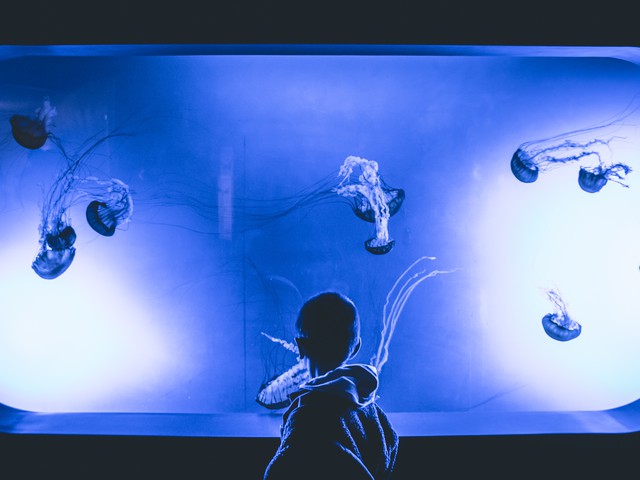
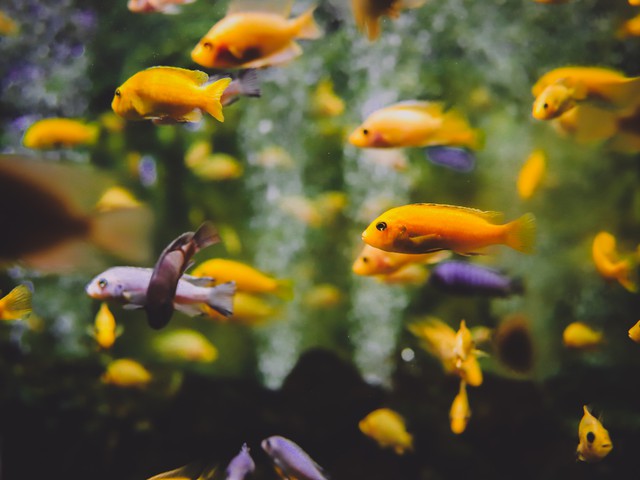
Create and maintain an aquarium exhibit that delights visitors. | ![]() |
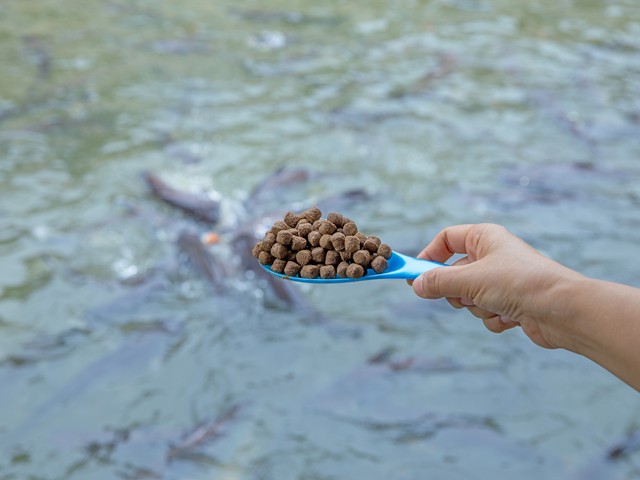
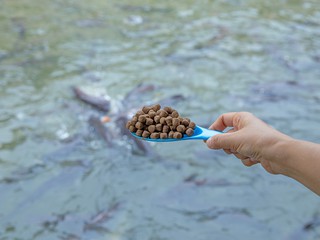
| Prepare food and vitamins for fishes and other aquarium animals. | ![]() |
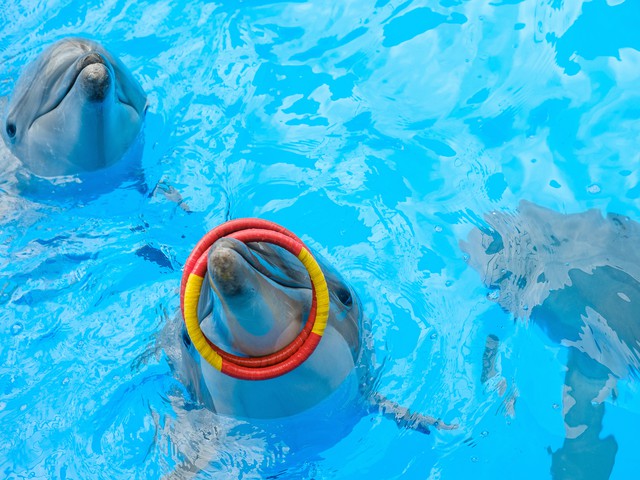
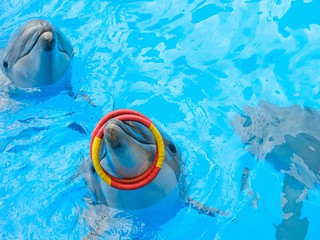
Stimulate animals by creating species-specific toys and challenges. | ![]() |
Key Facts & Information
| Overview | A summer day at the beach can be very relaxing. The sand is warm and the waves lap gently on the shore. But beneath the water's surface is a world that is teeming with rich plant and animal life. For many of us, it isn't possible to experience this world firsthand. But at a public aquarium, we can take a peek and examine close up the beautiful fish and coral. An aquarist cares for the animal and plant life that you see in those aquarium displays. Aquarists make sure that all of the animals and plants in their displays are well fed and free of disease. | |
| Key Requirements | Strong swimming ability, deep interest in animals, keen observational skills | |
| Minimum Degree | Bachelor's degree | |
| Subjects to Study in High School | Chemistry, biology, physics, algebra, geometry, calculus; If available: statistics | |
| Median Salary |
|
|
| Projected Job Growth (2010-2020) |
Faster than Average (14% to 20%)
|
|
| Interview |
|
|
| Related Occupations |
|
Training, Other Qualifications
Nearly all aquarists need to be certified scuba divers before they can take their first aquarium-related position. Certification classes are available at many two- and four-year colleges, private fitness organizations, and diving companies. Candidates interested in becoming aquarists must first intern at an aquarium, zoo, or research lab.
The salary range is quite large depending on location and experience. Starting salaries can be as low as $18,000 to $22,000 but for more experienced people at top institutions the salary can rise to nearly $50,000.
Education and Training
The minimum degree required for an entry-level aquarist position is a bachelor's degree in marine biology or zoology.
Nature of the Work

Watch this cool video and learn about this awesome career. Leslee Matsushige is an aquarist and an assistant curator at Birch Aquarium at Scripps Institution of Oceanography. She is an expert at maintaining exhibits of sea horses and sea dragons.
Aquarists are just like zookeepers, except their charges live under water. Aquarists take care of fish and other aquatic creatures at large aquariums. They feed and monitor animals and maintain exhibits. Aquarists check the temperature and conditions of fish tanks. They look for any medical problems with the animals, such as injuries, sluggish swimming, and lack of interest in food. Aquarists also prepare food with vitamin supplements for all the fish under their care.
Aquarists' duties include cleaning tanks so that patrons can fully enjoy the creatures within. They take water samples and analyze them with pH strips and laboratory equipment to make sure that the water filtration and temperature systems are in working order. Clean water keeps fish healthy.
Many animals come directly from the wild. Aquarists collect creatures and plants from freshwater and seawater a few times each year. They must be prepared to travel internationally and have travel documents such as a passport. Scuba certification is also a must in order to collect interesting specimens.
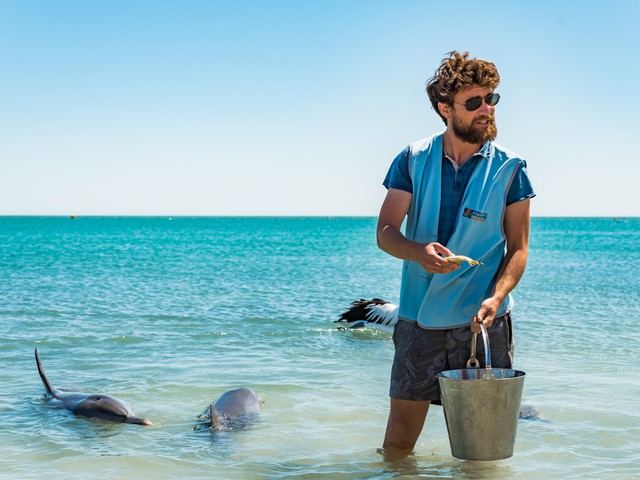
Some aquarists train seals, dolphins, and other marine animals to perform tricks and interact with humans. They are responsible for keeping their animals mentally engaged and do so by creating stimulating environments. Training can make caring for the animals easier.
Work Environment
Aquarists work in a variety of industries, including public aquariums and zoos, education centers with aquariums, marine research labs, state and federal agencies for natural resources, theme parks, and pet and aquarium stores. Aquarists have variable work schedules and often must be willing to work on weekends and holidays.
Some positions require travel to local and international sites for specimen collection.
On the Job
- Preserve exhibit aesthetics by cleaning viewing surface regularly, adding and removing specimens, maintaining proper lighting, and removing unwanted materials.
- Maintain aquarium tank-life support by monitoring equipment performance and troubleshooting, repairing, and replacing equipment as necessary.
- Test aquarium water quality and make adjustments as necessary.
- Acquire specimens after identifying sources and obtaining permits. Oversee specimen transport, acclimation, and introduction into exhibits.
- Determine the dietary needs of specimens. Prepare meals and feed specimens.
- Maintain and record animal health by observing and diagnosing health issues, and applying appropriate treatments.
- Design exhibits after determining theme and focus and after conducting feasibility study. Design appropriate life-support system.
- Locate and order materials, prepare location, and construct exhibits.
- Assist with training, education, and media relations. May include training volunteers and interns and preparing presentations for tours.
Companies That Hire Aquarists
Explore what you might do on the job with one of these projects...
- Acid Rain and Aquatic Life
- Can Water Float on Water?
- Harmful Algal Blooms in the Chesapeake Bay
- Heavy Metals and Aquatic Environments
- Primary Productivity and Plankton
- Respiration and Gills: What Factors Affect Respiration in an Aquatic Environment?
- Runoff and Fertilizer Use
- Sandy Beaches and Reef Disturbance
- Something's Fishy About That Fertilizer
- Timing the Tides
- Too Much of a Good Thing? Study the Effect of Fertilizers on Algal Growth
Ask Questions
Do you have a specific question about a career in Ocean Sciences that isn't answered on this page? Post your question on Science Buddies Ask an Expert Forum.
Additional Information
Sources
- O*Net Online. (2009). National Center for O*Net Development. Retrieved May 1, 2009, from http://online.onetcenter.org/
- Monterey Bay Aquarium. (2011). Staff profiles – aquarist. Retrieved April 15, 2011, from www.montereybayaquarium.org/lc/kids_place/kidseq_careers_bryan.aspx
- OceanCareers.com. (n.d.). Chris Wade - dive safety officer & senior aquarist. Centers for Ocean Sciences Education Excellence. Retrieved April 15, 2011, from www.oceancareers.com/2.0/display_profile.php?profile_id=173&action=display
- MianaKenobi. (2009, May 19). Aquarist - Birch Aquarium of Scripps. YouTube.com. Retrieved April 15, 2011, from www.youtube.com/watch?v=-GpDktQW3y8
- Crosby, O. (2001). Wild jobs with wildlife: jobs in zoos and aquariums. Occupational Outlook Quarterly. Retrieved April 15, 2011, from www.bls.gov/opub/ooq/2001/spring/art01.pdf
- OceanCareers.com. (n.d.). Aquarist: tasks and duties. Centers for Ocean Sciences Education Excellence. Retrieved April 15, 2011, from www.oceancareers.com/2.0/career_tasks.php?career_id=65
- Glassdoor.com. (2011, February 28). Aquarist salaries. Glassdoor, Inc. Retrieved June 27, 2011, from http://www.glassdoor.com/Salaries/aquarist-salary-SRCH_KO0,8.htm
- Sea Grant Marine Careers. (2009). Salaries by employment sector. NH Sea Grant Program. Retrieved June 27, 2011, from http://www.marinecareers.net/employment_private.html