/-/https/www.sciencebuddies.org/cdn/Files/21464/5/sb-logo.png)
/-/https/www.sciencebuddies.org/cdn/Files/21464/5/sb-logo.png)
Explore Nanotechnology with Paper: Weekly Science Activity
/-/https/www.sciencebuddies.org/cdn/blog/graphics/2015-blog-nanotechnology-paper.png)
In this week's spotlight: a materials science activity that gives families a hands-on look at nanotechnology. Materials coming out of nanotechnology research are often lighter and stronger than traditional materials. Nanotechnology scientists are working with matter at the nanoscale, which means they are working with individual atoms and molecules. By altering the structure and arrangement of particles, scientists are creating and discovering new materials that have exciting new qualities—some of these materials might even make you think of favorite science fiction or comic book characters! In this hands-on activity, students use paper to help model and visualize how different arrangements of the same matter can make a dramatic difference in the strength of the material made from that matter.
For both the science project and the shorter family-friendly science activity, students use everyday paper to represent carbon nanostructures used in nanotechnology. How does strength change when you stack, roll, fold, or otherwise manipulate the paper? Put it to the test for a better understanding of what it means for scientists to rearrange the structure of matter at the nanoscale!
- Exploring Nanotechnology: Fold, Roll, & Stack Your Way to Super-Strong Materials (full Science Buddies project idea)
- Super-Strong Science: Explore Nanotechnology Using Paper (science activity at Scientific American)
/-/https/www.sciencebuddies.org/cdn/blog/graphics/thumb/2015-blog-nanotechnology-paper-thumb.png)
Categories:
You Might Also Enjoy These Related Posts:
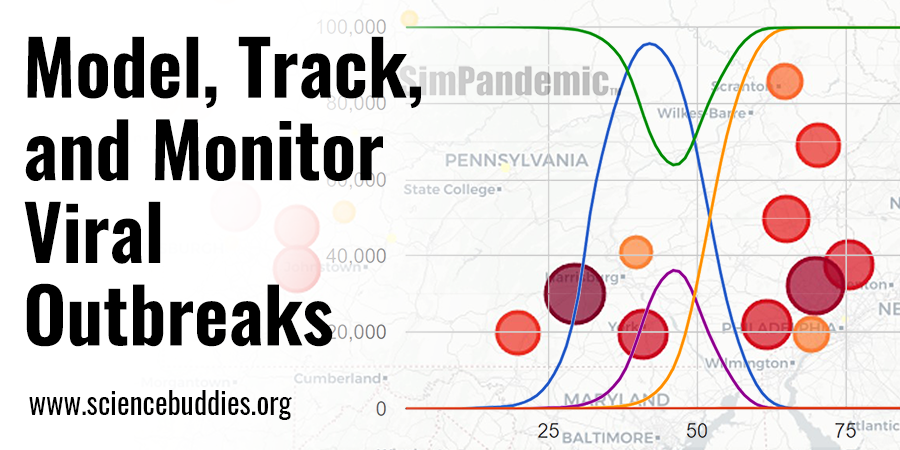
- Model and Track Virus Outbreaks - Student STEM
- Sun and Solar Science Projects - Solar Energy STEM
- 10 STEM Projects to Get Started Building Circuits on a Breadboard!
- Ocean Science Projects, Lessons, and Experiments
- Women in STEM! More than 60 Scientists and Engineers for Women's History Month
- Black History Month STEM - Learn More About These 40 Scientists for Black History Month!
- 10 Reasons to Do the Ball Run Engineering Challenge
- 40 New and Cutting-Edge Science and Engineering Projects in 2025


/-/https/img.youtube.com/vi/iUwzIhfmV_E/0.jpg)
/-/https/img.youtube.com/vi/tTPIdqicIC0/0.jpg)
/-/https/img.youtube.com/vi/yGHZyY2HPvE/0.jpg)